7 Simple Techniques For Permian Basin Pipeline Construction
Table of ContentsFascination About Permian Basin Pipeline ConstructionAn Unbiased View of Permian Basin Pipeline ConstructionPermian Basin Pipeline Construction Can Be Fun For EveryoneThings about Permian Basin Pipeline Construction6 Easy Facts About Permian Basin Pipeline Construction DescribedPermian Basin Pipeline Construction Fundamentals ExplainedMore About Permian Basin Pipeline Construction
Cured-in-place pipeline (CIPP) is a trenchless technology used to install water, sewer, and various other pipes without needing major excavation or invasive digging. The process begins by inserting a liner right into the existing pipework, which is after that loaded with resin that hardens to create a long-term pipe within the existing pipeline.At MaxLiner USA, we understand the benefits of using CIPP, that include its price, speed, and marginal disruption during installation. This makes it an ideal option for specialists, plumbing professionals, services, and municipalities aiming to reduce downtime while setting up new pipelines. Among the main advantages of CIPP is its cost savings on labor and equipment, resulting in a much more economical remedy than typical pipeline substitute techniques.

Instead, a liner is inserted right into the busted pipeline and cured in location with warm, creating a seamless repair that provides long-lasting defense against origin seepage, corrosion, opening damages, and various other typical issues with existing pipes. Not just does this strategy remove the demand for extensive excavating, yet it also removes the possible risks associated with contaminated materials elimination.
All about Permian Basin Pipeline Construction
Expenses often tend to be lower than changing entire sizes of piping via open-cut installments even when factoring in the cost of liner products. As a result of its low environmental impact and price savings prospective, cured-in-place pipe installation is becoming increasingly popular as a choice to traditional repair service job in various markets.
When it involves cured-in-place pipe (CIPP) installment, many benefits come from its very little time and expense. Firstly, CIPP installations can be established in a fraction of the moment it would certainly take for standard pipe substitute because no excavation is needed - Permian Basin Pipeline Construction. Instead than digging into the surrounding dirt and getting rid of existing pipes, CIPP makes use of advanced trenchless technology to install resin liners or polyester fiber tubes inside existing pipes
The Permian Basin Pipeline Construction Ideas
This helps to reduce downtime and keep your job on the right track, leading to time savings that would not have been feasible with standard pipeline replacement systems. Whether removing smaller sized sections of piping or doing total relining tasks, this method has particular advantages when it involves expenditure. Not only is equipment rental eliminated because no excavation is required, yet so are website restoration prices given that a minimal surface fixing may be called for after installation.
Therefore, with very little time and cost required for installation, cured-in-place pipe installment is an excellent alternative for minimizing labor prices without giving up quality job. As we'll talk about in the complying with section, this kind of setup supplies Permian Basin Pipeline Construction enormous advantages when it concerns decreasing interruption around homes and companies.
How Permian Basin Pipeline Construction can Save You Time, Stress, and Money.
This trenchless installation is much easier to do than traditional pipe laying. As the name indicates, a lot of excavation and related site prep work is stayed clear of due to the fact that the new pipelines are fed through existing conduits. This makes it feasible to mount underground pipes in a fraction of the moment needed for the more standard digging method, which can produce unnecessary disruption to the environment, neighborhood roads, pathways, nearby homeowner, and so on.
In some cases, it may take a little excavating if these accessibility factors are not currently set up in existing upkeep openings or capture basins. The outcome needs to still be much less turbulent than excavating long trenches, but something to consider prior to committing to this installation (Permian Basin Pipeline Construction). In general, cured-in-place pipe installation is sensible when minimal disruption is wanted because a lot of the underground infrastructure stays undamaged while giving restored toughness and reliability to existing pipelines
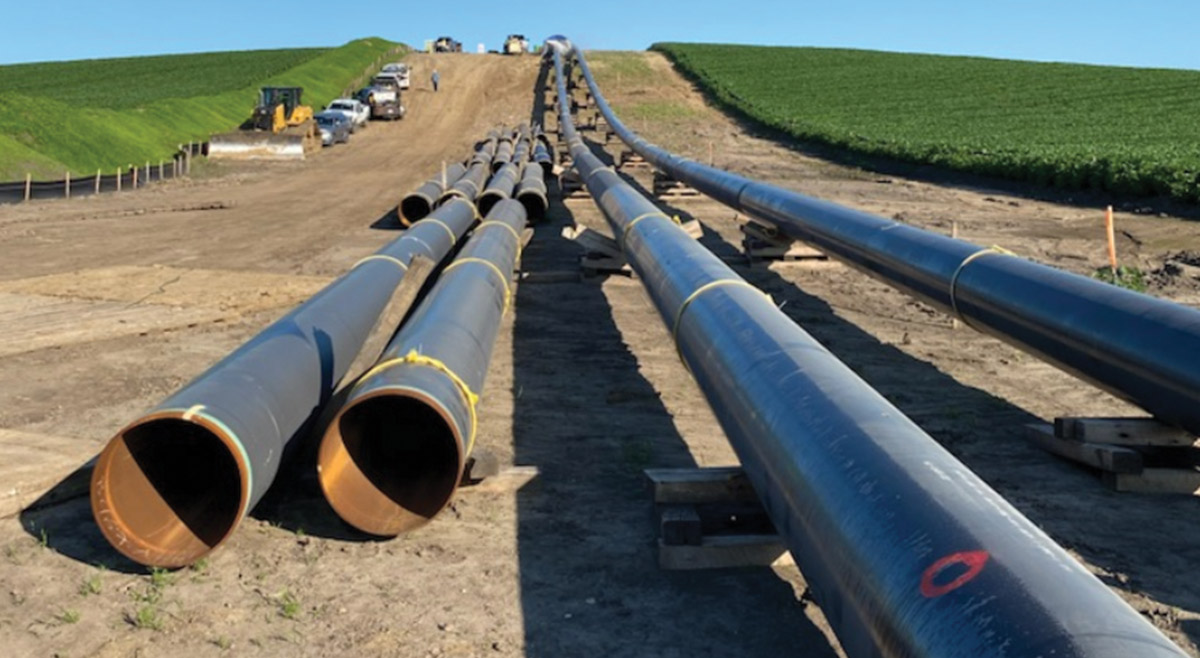

The cured-in-place setup process starts with examining the pipeline in question to establish whether any damage is present or requires substitute. Later, if required, cleaning must happen inside the pipe to ensure that all product buildup is removed and all surface areas are smooth and uncontaminated before lining installation. As soon as these actions are completed, an unique resin-coated felt or hybrid felt and fiberglass textile is put into the pipe and uniformly dispersed along its length.
Permian Basin Pipeline Construction Can Be Fun For Anyone
Curing (either ambient, heated water or air, or UV) is introduced right into television when the lining installment is complete, treating and forming the material material around the old pipeline's form. It must be kept in mind that extreme pressure should be prevented at all costs due to the fact that it can trigger further damages to the system.
This in-depth area regarding the 'Cured-In-Place Installation Process' has described its step-by-step procedure. By comprehending what goes right into this procedure and its difficulties, we can appreciate exactly how valuable it can be for lots of piping repair work - Permian Basin Pipeline Construction. Currently let us go on to discover what sorts of materials are made use of in this procedure in our following section
Unknown Facts About Permian Basin Pipeline Construction
The ideal material can significantly affect the work, consisting of cost-effectiveness, resilience, performance, and effectiveness. Polymer liners are frequently chosen for CIPP because they are very sturdy and resistant to rust and damage. They can additionally last anywhere from 10 to 30 years, relying on the top quality of the materials made use of.
It is commonly less complicated, less turbulent, and extra affordable than standard fixings. One of the major advantages of CIPP pipe installation compared to the conventional method of removing and replacing any kind of damaged pipeline sections with brand-new material is that CIPP pipe does not require digging or excavating the surrounding areas.
This lowers the time and labor required for complicated repair tasks. Ultimately, CIPP products are thinner than sections of the new pipe, so they need extremely little room while offering remarkable longevity and durability compared to other methods of repairing broken pipes. While CIPP installment uses some unique benefits over standard methods of repairing pipes, it can have certain limitations relying on which kind of specific scenario needs it.
Permian Basin Pipeline Construction Things To Know Before You Get This
In general, CIPP pipeline setup presents several benefits when it concerns conserving time, cash, and effort during pipe repair work tasks. These benefits make it an attractive option for those looking for quickly yet trusted ways to resolve broken pipelines in your home or in company setups. In the adhering to area, we will review a summary of cured-in-place pipe installation in higher information to give you an also far better understanding of its lots of benefits.